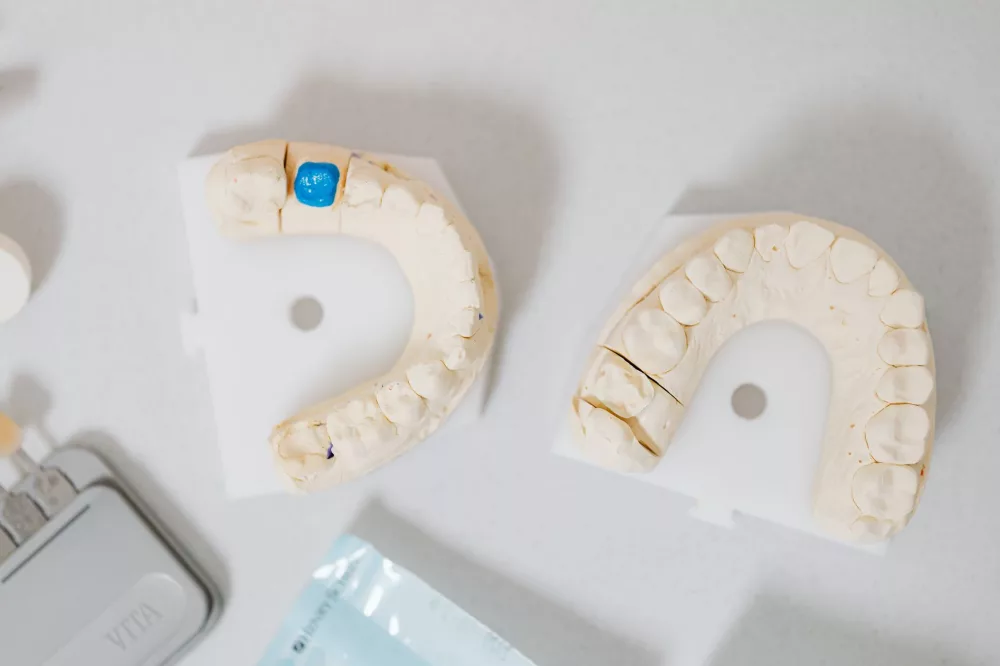
When we talk about dental care, our minds often jump straight to toothbrushes, floss, and perhaps the occasional dreaded drilling sound at the dentist's office. But there's this quiet, unassuming little hero that plays an incredibly significant role, both in everyday comfort for orthodontic patients and behind the scenes in intricate dental lab work: dental wax. I've always found it fascinating how something so simple can have such a profound impact, helping us through uncomfortable phases and assisting our dentists in crafting perfectly fitted restorations.
The Everyday Marvel: Orthodontic Wax
For many, dental wax means one thing: orthodontic wax. If you've ever had braces, you know precisely what I'm talking about. It's that lifesaver in a tiny little container that provides instant relief from the sharp, irritating edges of brackets, wires, or even clear aligner trays.
Why We Need It
Orthodontic treatment, while ultimately beneficial, isn't always a smooth ride, is it? New braces can cause tiny abrasions or ulcers on your cheeks, lips, or tongue. This happens because your soft tissues aren't used to the foreign objects now residing in your mouth. The brackets and wires can feel incredibly abrasive against delicate oral tissues, and that's where this marvelous wax steps in.
- Instant Relief: It creates a smooth barrier between your orthodontic appliance and your mouth's soft tissues.
- Healing Aid: By preventing further irritation, it allows existing sores to heal.
- Adaptation: It helps your mouth get used to the feel of new hardware.
How to Properly Apply Orthodontic Wax
Applying dental wax isn't rocket science, but there's a knack to it for maximum effectiveness. Let me walk you through my preferred method, which I've found works best for a secure hold and lasting comfort:
- Wash Your Hands: This is a no-brainer, but crucial for oral hygiene.
- Isolate the Area: Gently dry the bracket or wire causing the issue. A cotton swab or a clean tissue works wonders here. This helps the wax adhere better.
- Pinch a Small Piece: You really don't need a lot! A piece about the size of a small pea or a grain of rice is usually plenty. Too much can make it feel bulky and is more likely to dislodge.
- Soften It: Roll the wax between your thumb and index finger for a few seconds. The warmth from your fingers will make it pliable and easier to mold.
- Apply Firmly: Press the softened wax onto the offending bracket or wire. Gently flatten it over the sharp part, creating a smooth bump. You want to make sure it's securely attached and not just loosely sitting there.
You can eat and drink with it on, though sometimes crunchy or sticky foods might dislodge it. Don't worry if you accidentally swallow a tiny bit; it's non-toxic and designed to pass through your system harmlessly. Most orthodontic waxes are made from natural waxes like carnauba or paraffin, sometimes with a little flavoring for a more pleasant experience.
Beyond Braces: The Diverse World of Dental Waxes in Professional Settings
While orthodontic wax is what most of us are familiar with, dental professionals utilize a whole spectrum of different waxes, each with very specific properties and purposes. These waxes are indispensable tools in a dentist's arsenal, particularly in laboratory and diagnostic procedures. It's pretty cool how varied their roles actually are, assisting with everything from creating perfect models to ensuring precise fittings.
Diagnostic & Pattern Waxes
Imagine your dentist needs to create a crown or a bridge. They can't just freehand it, right? This is where diagnostic waxes come into play. These are often used to create detailed models of your teeth and jaws. They help dentists plan treatments and visualize the final outcome. Some common types include:
- Inlay Wax: Used to create patterns for cast metal inlays, onlays, and crowns. It's designed to burn out completely during the casting process, leaving a perfect mold.
- Casting Wax: Similar to inlay wax, but often used for larger structures like partial denture frameworks. It's rigid and has low thermal expansion to maintain accuracy.
- Baseplate Wax: This pink-colored wax is quite common. Dentists use it to create the base of denture models or to establish the initial arch form for prosthetic appliances.
The precision involved in working with these waxes is absolutely incredible; every minute detail matters when you're trying to replicate human anatomy!
Impression & Bite Registration Waxes
When your dentist takes an impression, they're essentially creating a mold of your teeth. While often done with silicone or alginate, wax sometimes plays a supporting role, especially for capturing very specific details or relationships between your upper and lower jaws.
- Bite Wafers/Bite Registration Wax: These are used to record the way your upper and lower teeth meet, ensuring that any new restoration, like a crown, aligns perfectly with your natural bite. They provide a static record of your occlusal relationship.
- Periphery Wax/Utility Wax: This soft, pliable wax can be added to the edges of impression trays to extend their reach or to make them more comfortable for you during the impression-taking process. It's a small detail that can make a big difference in the quality of the impression.
Safety and Care Considerations
I've touched on it already, but it bears repeating: dental wax is generally very safe. It's designed for oral use and poses no significant health risk if ingested in small quantities. However, proper storage is key to maintaining its efficacy.
Storing Your Wax
Keep your orthodontic wax in its original container, usually a small plastic case, to prevent it from collecting dust or debris. Store it at room temperature, away from direct sunlight or excessive heat. Why? Because extreme temperatures can alter its consistency, making it too soft or too brittle to work with effectively.
When to See Your Dentist
While dental wax is fantastic for managing minor discomfort, it's not a substitute for professional dental care. If you experience persistent pain, a broken wire that's causing significant trauma, or if an appliance feels severely out of place, don't just keep piling on the wax. Contact your orthodontist or dentist right away! They need to address the underlying issue.
So there you have it. From the tiny piece that gives you comfort during your orthodontic journey to the precise tools that help dental technicians craft your perfect smile, dental wax truly is an unsung hero. It's a prime example of how even the simplest materials contribute significantly to our overall oral health and well-being. Next time you see that little container of wax, give it a nod of appreciation for all the quiet work it does!